Bacon is one of those foods almost everyone recognises instantly - that distinctive smell, the sizzle in a hot pan, the way fat turns from white and waxy to golden and translucent. But the moment you try to define it precisely, things get complicated.
The Basic Definition
At its simplest, bacon is cured pork. The curing process - applying salt, and usually nitrates, sometimes sugar and other seasonings - preserves the meat and transforms its flavour and texture in a way that cooking alone never could. Without the cure, you just have fresh pork. With it, you have bacon.
What distinguishes bacon from other cured pork products is primarily the cut of meat and the style of cure. Most bacon comes from the pig’s belly (streaky bacon), the back loin (back bacon), or a combination of the two (middle bacon). The cure is typically a salt-based dry rub or brine, often containing sodium nitrite to inhibit bacterial growth and fix that characteristic pink colour.
The Cut Makes the Bacon
The single biggest variable in bacon’s character - its fat-to-meat ratio, its texture, how it cooks - is which part of the pig it came from.
Streaky Bacon
The most common form in the United States and increasingly popular worldwide, streaky bacon is cut from the pork belly. It has a high fat content arranged in long parallel streaks (hence the name), which means it renders beautifully in a pan and crisps to a satisfying crunch. The belly is a working muscle with rich, complex fat, making it intensely flavourful.
Back Bacon
The UK’s traditional rasher is cut from the loin, the long muscle running along the pig’s back. It’s leaner, meatier, and chewier than streaky. A good back rasher has a large eye of lean meat with a small strip of fat along one edge. It’s what most British and Irish people mean when they simply say ‘bacon.’
Middle Bacon
The best of both worlds - a single cut that includes both the loin and the belly, joined together. Middle bacon is common in Australia and parts of the UK, offering the meatiness of back with the fat of streaky in a single rasher.
Other Cuts
Collar bacon comes from the neck, shoulder bacon from the foreleg. Both are less common but have their adherents. Canadian bacon (in North American parlance) is essentially a cured, smoked pork loin - closely related to what the UK calls back bacon.
The Cure: Dry vs Wet
All bacon is cured, but the method divides the market sharply - and reveals a great deal about quality.
Dry curing is the traditional method. Salt, nitrates, and seasoning are rubbed directly into the meat and left to penetrate over several days or weeks. The result is a more concentrated, complex flavour, a firmer texture, and bacon that releases less water during cooking. This is how all bacon was made before refrigeration.
Wet curing (or brining) involves submerging the pork in a liquid brine. It’s faster, cheaper, and produces a milder, juicier product. The majority of commercial bacon is wet-cured. Some producers inject brine directly into the meat with needles, shortening the process further and allowing water to be sold at the price of pork.
The difference in the pan is stark: dry-cured bacon shrinks minimally and crisps cleanly. Wet-cured bacon releases white liquid (water and dissolved proteins) as it cooks, essentially boiling itself before it can brown.
Does Smoking Count?
Smoking is traditional but not strictly required for something to be called bacon. Unsmoked (or ‘green’) bacon is common in the UK, where the cure alone is considered sufficient. In the United States, almost all bacon is smoked, and the wood species used - hickory, applewood, cherrywood, maple - is a significant part of the flavour profile.
Cold-smoked bacon is smoked at low temperatures (below 30°C/86°F) for many hours, imparting flavour without cooking the meat. Hot-smoked bacon is cooked during the smoking process and can be eaten without further preparation, though most people fry or grill it anyway.
Bacon Around the World
The word ‘bacon’ describes different products depending on where you are:
| Country | What ‘Bacon’ Usually Means |
|---|---|
| United Kingdom | Back bacon (cured loin), often unsmoked |
| United States | Streaky bacon (cured belly), always smoked |
| Australia | Middle bacon (loin + belly), smoked |
| Canada | Peameal bacon (wet-cured loin rolled in cornmeal) |
| Italy | Pancetta (cured belly, rolled, rarely smoked) |
| Germany | Speck (cured and cold-smoked, often from the leg) |
Why Does Quality Vary So Much?
Walk into a supermarket and buy the cheapest bacon available. Buy the most expensive artisan, dry-cured, heritage breed bacon from a good butcher. Cook them side by side. The difference will be startling - not just in flavour but in colour, texture, aroma, and how they behave in the pan.
That variation comes from:
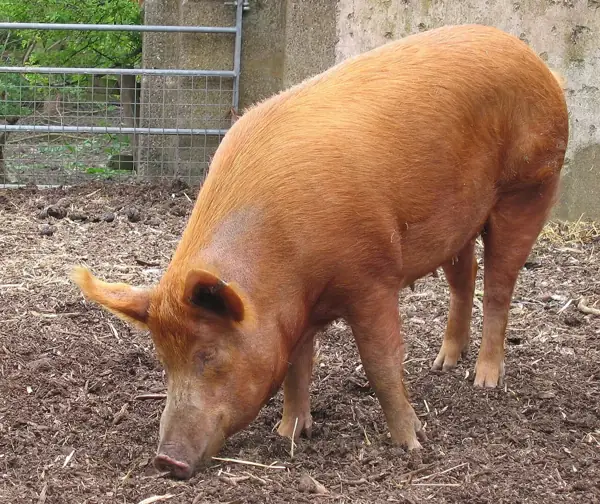
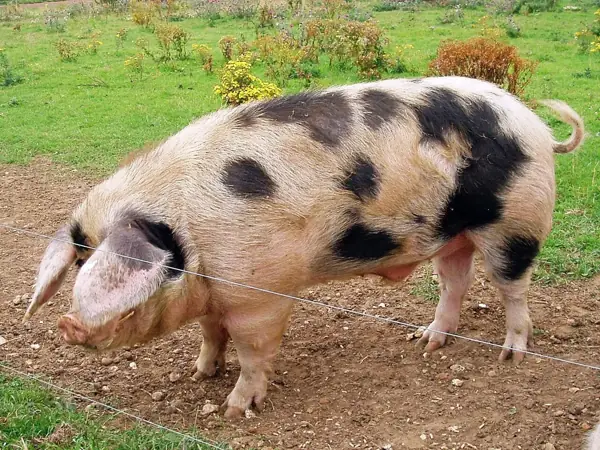
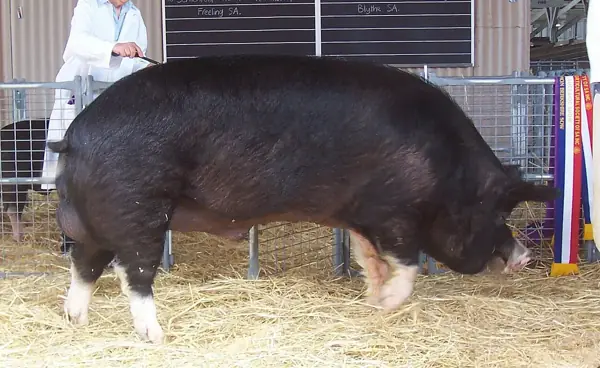
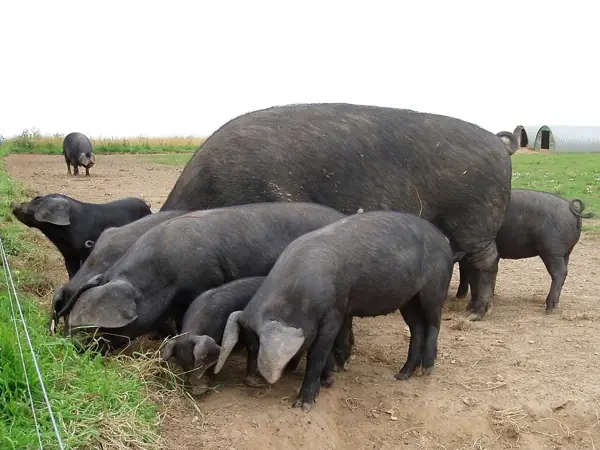
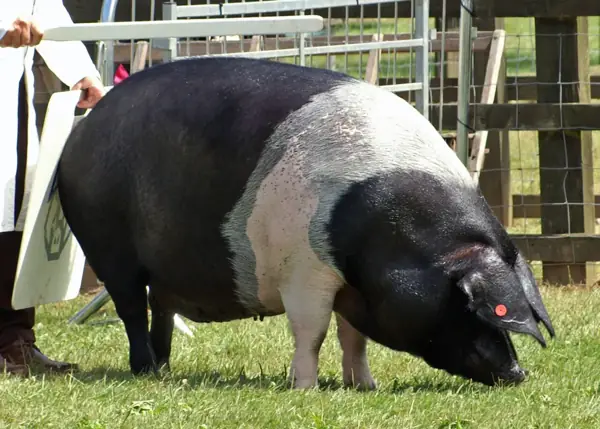
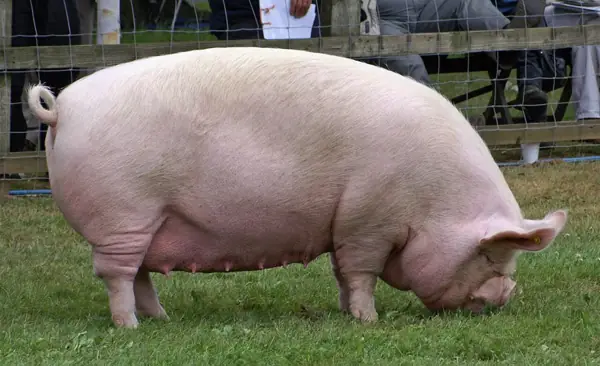
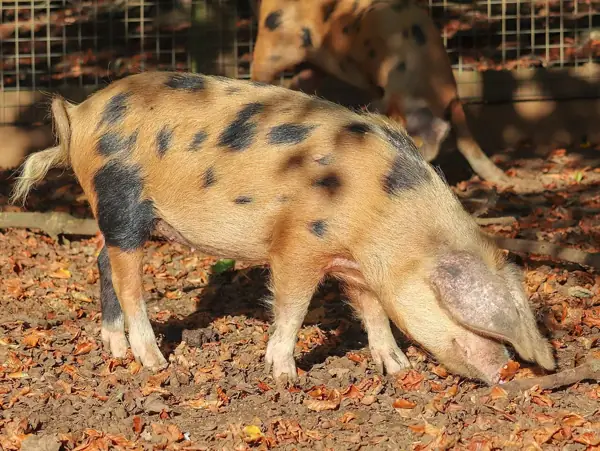
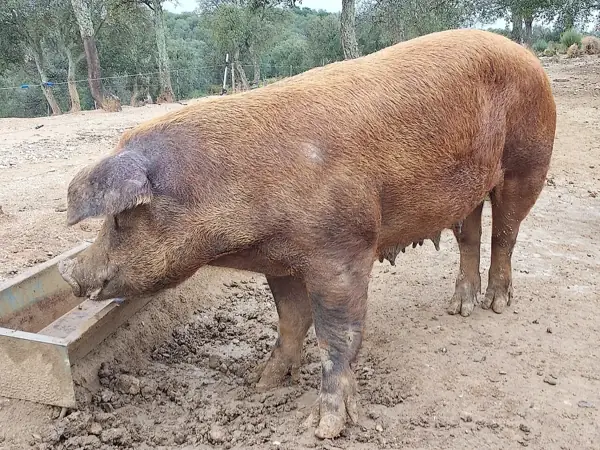
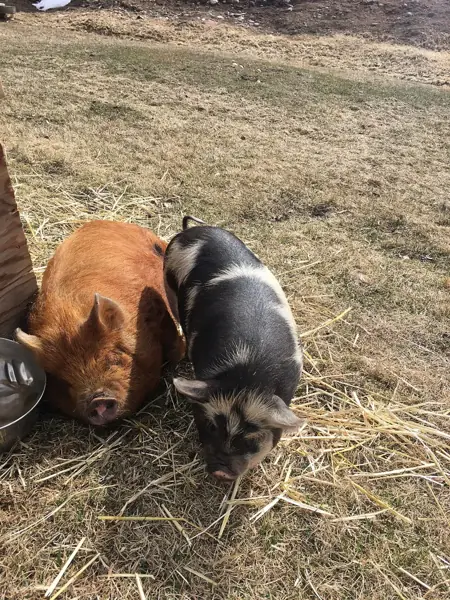
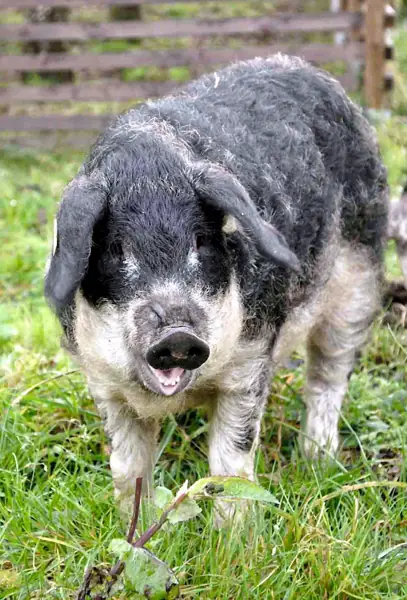
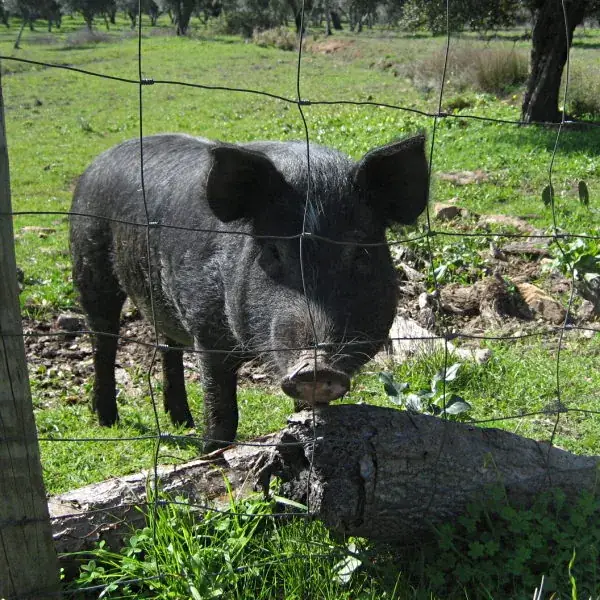
- The breed of pig - heritage breeds like Gloucester Old Spot and Tamworth carry more intramuscular fat and different fatty acid profiles than commercial breeds
- How the pig was raised - outdoor-reared, slower-growing pigs develop more flavour
- The cure - dry curing concentrates flavour; water injection dilutes it
- The time - longer curing and ageing builds complexity
- The smoke - traditional cold smoking over hardwood vs liquid smoke flavouring
For a deep dive into each of these factors, explore the guides linked below.